Watches are more than just tools for telling time—they are a fusion of art, engineering, and history. From ancient sundials to modern Swiss masterpieces, horology has evolved into a remarkable craft.
The Origins of Timekeeping
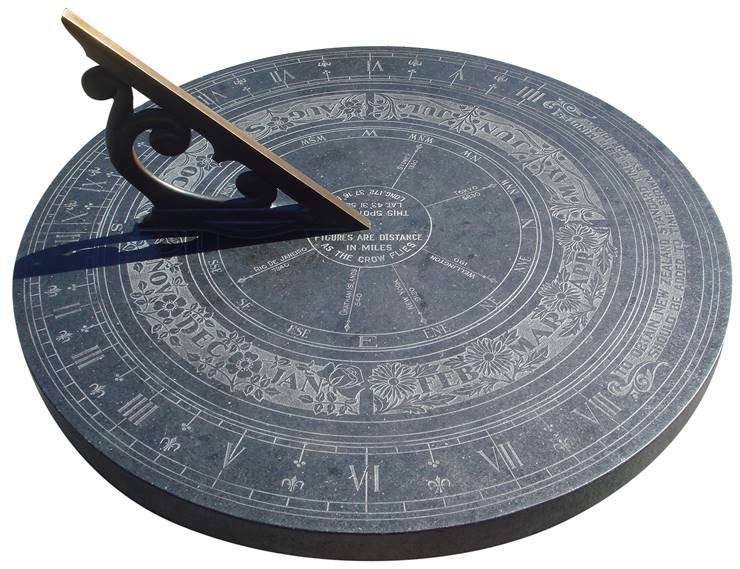
The earliest timekeeping devices date back to ancient Egypt, where sundials were used to track the movement of the sun. Over time, civilizations developed water clocks, mechanical clocks, and eventually, pocket watches.
The Birth of the Wristwatch
The wristwatch became popular in the early 20th century, thanks to military use during World War I. Brands like Rolex, Omega, and Patek Philippe revolutionized the industry with precise and elegant designs.


The Origins of Timekeeping
The earliest timekeeping devices date back to ancient Egypt, where sundials were used to track the movement of the sun. Over time, civilizations developed water clocks, mechanical clocks, and eventually, pocket watches.
Quartz vs. Mechanical Movements
Quartz Watches

- Battery-powered
- Extremely accurate (gains/losses of a few seconds per month)
- Low maintenance (battery change every 2-5 years)
- Mass-produced with simple construction
- Uses a quartz crystal oscillating via electric current
Mechanical Watches

- Mainspring-driven (manual or automatic)
- Less accurate (gains/losses of seconds per day)
- Regular servicing required (every 3-5 years)
- Hand-assembled with intricate engineering
- Uses a series of gears and an escapement for timekeeping
Iconic Watches in History

Rolex Daytona
An iconic racing chronograph known for its precision and timeless appeal.

Omega Speedmaster
The first watch worn on the moon.

Patek Philippe Calatrava
A symbol of timeless elegance.