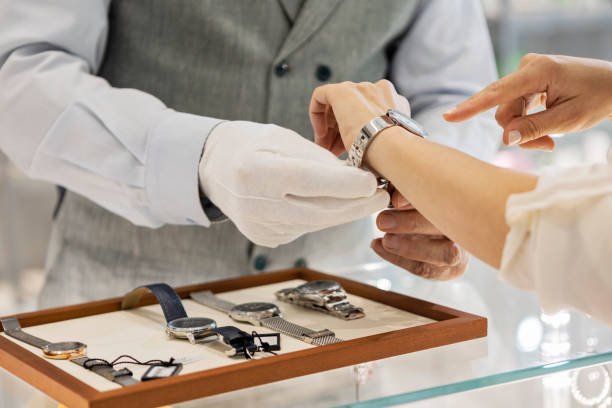
Choosing the perfect timepiece isn’t just about the brand or the dial design—it is about how it sits on your wrist. A watch that is too big can look clumsy, while one that is too small might feel delicate. Whether you are eyeing a vintage dress watch or a modern diver, understanding the mechanics of fit is essential for comfort and style. Here is your quick guide to measuring your wrist and finding your ideal watch size.
The 3 Measurements That Matter
Case Diameter
This is the standard number you see listed (e.g., 40mm). It is measured from 8 to 2 o’clock.
Case Thickness
Often overlooked, thickness dictates how high the watch sits. Dress watches are usually thin (<8mm).
Lug-to-Lug
This measures the length from tip to tip. If this is wider than your wrist, the watch will overhang.
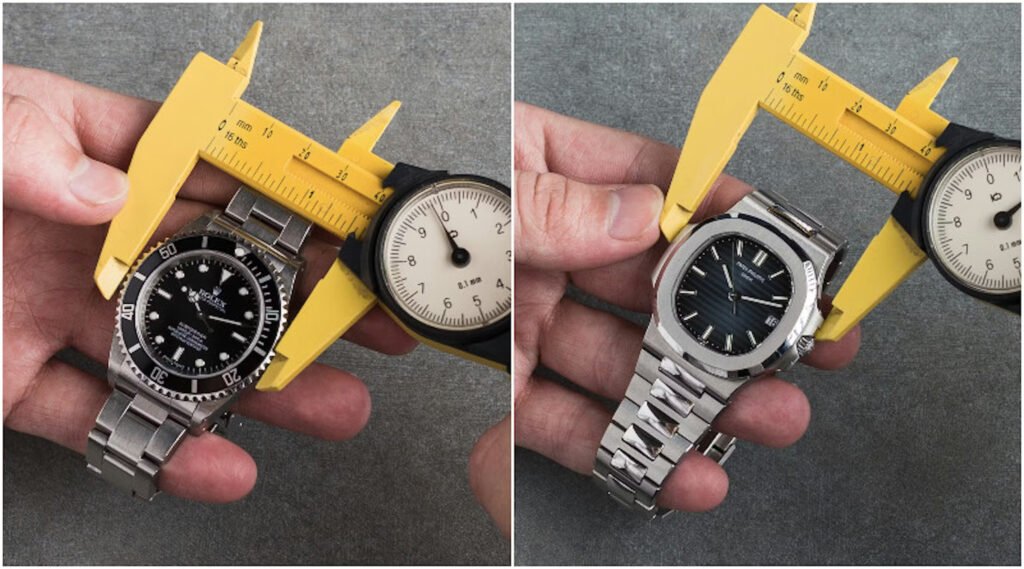
Cheat Sheet: Matching Watch Size to Wrist Size
| 6.0 – 6.5 inch | 36mm – 38mm |
| 6.5 – 7.0 inch | 38mm – 40mm |
| 7.0 – 7.5 inch | 40mm – 42mm |
| 7.5+ inch | 42mm – 46mm |
| Note: | Dressier? Go smaller. Sportier? Go larger. |
Pro-Tips for the Perfect Fit
- Watch the Bracelet: Metal bracelets and “integrated” styles often flare out, making the watch wear larger than its size on paper.
- Don’t Forget the Complications: Big pushers and crown guards add bulk. A 40mm chronograph will feel bigger than a 40mm dress watch.
- Shape Matters: Square watches (like a Cartier Tank) wear larger than round ones. Always measure the width to compare accurately.